Bulky waste pickup during Hampton moves: Avoid fines
Posted on 02/06/2026
Moving home in Hampton can feel like a long list of small jobs stacked into one very loud, very busy week. Boxes everywhere, tape stuck to your fingers, a kettle packed too early, and then the bulky stuff appears: the old sofa, a broken wardrobe, a mattress that's seen better days. That is exactly where bulky waste pickup during Hampton moves: avoid fines becomes more than a tidy-up task. It is a practical move that can save you money, time, and a nasty surprise from the council.
The tricky bit is that bulky items are not always straightforward. Some can be collected, some need advance booking, and some should never be dumped outside "just for now." If you are trying to move without hassle, understanding your options early makes all the difference. Truth be told, it also makes the rest of the move calmer. Less clutter. Less lifting. Less stress at 7am on moving day.
In this guide, you'll find a clear, local-friendly explanation of how bulky waste removal works, what usually goes wrong, how to avoid penalties, and how to fit it neatly into a Hampton move. You'll also see where related moving support can help, from house removals in Hampton to recycling and sustainability, plus a few useful planning links like packing and boxes in Hampton and removal services in Hampton.
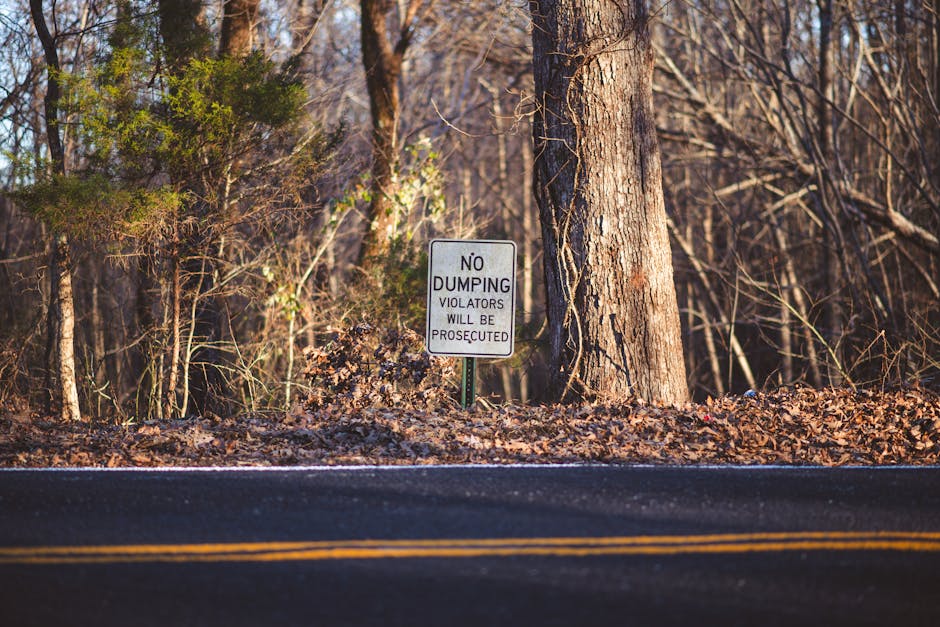
Why Bulky waste pickup during Hampton moves: Avoid fines Matters
Bulky waste is one of those moving jobs people underestimate until the last minute. A sofa that won't fit in the van, a wardrobe that has already been dismantled, an old fridge left from the previous tenancy, or a bed base that is too awkward to shift safely. In a move, these things suddenly become urgent. And if they are left out on the pavement, in a communal hallway, or beside a bin area without proper arrangement, they can create problems fast.
Why does this matter so much? Because local waste rules are not designed for "I'll deal with it later." They are designed to keep streets clear, prevent fly-tipping, and make sure waste is handled properly. When bulky waste is abandoned or put out incorrectly, fines can follow. Even if enforcement is not immediate, the risk is real enough to take seriously.
There is also a practical side. Bulky items take space, slow down loading, and can damage walls, lifts, stairwells, and your back. To be fair, the physical strain is often the thing people notice first. The money risk is only half the story.
In a Hampton move, where streets can be tight, parking can be awkward, and timing matters, good waste planning helps the whole day run smoother. If you are already organising a larger relocation, it is worth looking at removals in Hampton and man and van Hampton support at the same time, so disposal and transport are planned as one job rather than two separate headaches.
Expert summary: The safest approach is simple: identify bulky waste early, separate reusable items from true rubbish, book the right collection route, and never assume that leaving an item "near the bins" counts as disposal. It usually does not.
How Bulky waste pickup during Hampton moves: Avoid fines Works
There is no single universal process, because the exact rules and services depend on the local authority, the type of waste, and whether you are dealing with a council collection, a private clearance, or a move arranged through removal professionals. But the basic workflow is consistent.
First, you identify what needs removing. Then you decide whether the item can be reused, donated, recycled, or treated as waste. Next, you choose the collection method that fits the item and your moving schedule. After that, you prepare the item correctly so it can be lifted, carried, and loaded without mishaps.
That sounds simple. In real life, the detail matters. A mattress in good condition may be suitable for reuse or storage, while a water-damaged one probably is not. A wooden chest of drawers may be dismantled and moved with other furniture, or it may be better to clear it out and dispose of it before the move. And a heavy item that is technically movable may still be a poor idea if your stairwell is narrow or your parking is a nightmare.
If you need to compare disposal with moving support, it helps to think in terms of your overall move plan. For example, if you are already booking flat removals in Hampton or office removals, bulky waste should be handled before the main loading window, not squeezed in at the end when everyone is tired and rushing.
One small but important point: some items are not just bulky, they are also awkward, potentially dirty, or hazardous. Old freezers, broken monitors, batteries, and certain electrical items may need different handling. Never bundle everything into one "skip pile" and hope for the best. That's the sort of shortcut that causes trouble.
Key Benefits and Practical Advantages
There are three big advantages to sorting bulky waste properly before or during a Hampton move: compliance, efficiency, and sanity. Not glamorous, but very real.
- You reduce the risk of fines: Proper collection and disposal help you avoid penalties linked to fly-tipping or obstructive waste placement.
- You save space in the van: Removing unwanted furniture early means the vehicle can be used for items you actually want to keep.
- You protect your moving day schedule: A clutter-free property is quicker to load and easier to clean.
- You cut down on lifting injuries: Fewer bulky objects means less strain on your back, shoulders, and staircases.
- You can recycle or reuse more responsibly: Many items should not go straight to landfill if they can be repaired, donated, or broken down for materials.
There is also a quieter benefit people often overlook: you feel more in control. That matters. When the day is full of noise, foot traffic, and boxes, removing one big source of uncertainty helps the whole process feel less chaotic.
If you are decluttering before a move, related reading like the decluttering approach to effortless relocation can help you decide what truly deserves space in the new place. And if some of your furniture is still worth keeping but not needed right away, storage in Hampton may be more sensible than a rushed disposal decision.
Who This Is For and When It Makes Sense
This is not only for people with a whole house full of old furniture. In practice, bulky waste planning helps all sorts of movers:
- Homeowners replacing old sofas, beds, wardrobes, or garden furniture
- Tenants trying to leave a property clean and avoid landlord charges
- Students moving out of shared accommodation with a mix of broken and reusable items
- Families downsizing and choosing what stays, what goes, and what is stored
- Office movers clearing desks, chairs, shelving, and outdated equipment
- Last-minute movers who suddenly realise the old mattress cannot come with them
It makes especially good sense when you are moving on a tight deadline, because bulky items are often the slowest part of the job. If you are in that kind of time squeeze, same-day removals in Hampton can be useful for the transport side, while a planned waste collection or clearance route handles the discard side.
Another common scenario is a move from a flat or upper-floor property. The lift is tiny, the stairs are narrow, and the sofa has already won the argument. That is when careful planning beats brute force every time.
Step-by-Step Guidance
Here is a practical way to handle bulky waste during a Hampton move without getting in a muddle.
- Walk through every room early. Don't leave this until packing week. Open cupboards, check under beds, and look in the loft, shed, and hallway.
- Sort items into four groups. Keep, sell/donate, recycle, or dispose. That four-way split is usually clearer than a vague "maybe" pile.
- Check what is actually bulky. A bulky item is not just something large. It is something awkward, heavy, or too big for standard bins and collections.
- Decide whether the item can be broken down. Flat-pack furniture, bed frames, and shelving often move more easily once dismantled.
- Book the correct collection method. Council collection, private clearance, van transport, or recycling route. Pick one that fits the item and your moving date.
- Keep proof of the booking or receipt. If there is ever a dispute, having evidence helps.
- Prepare items properly. Empty drawers, remove loose parts, tape safe edges, and keep walkways clear.
- Coordinate the timing with the move. Ideally, bulky waste leaves before the main loading starts.
- Confirm final checks on the day before. Make sure nothing has been left in a shared bin store, car park, or pavement space.
A good rule of thumb: if you would not confidently leave the item in a public area and walk away, do not place it there "temporarily" during a move. That little delay can cost you more than it saves.
If you are packing awkward household items at the same time, these packing tips can help keep the whole process orderly. And for mattresses specifically, this mattress transport guide is a sensible companion read.
Expert Tips for Better Results
Most moving problems come from timing, not effort. A few small habits can make bulky waste handling far easier.
- Separate items by condition, not just by type. One sofa might be saleable, while another is straight waste.
- Photograph anything valuable or disputed. Handy if you are donating, selling, or proving what was removed.
- Use the right lifting approach. Heavy and awkward objects should be moved with proper technique, not a heroic shrug and a prayer. The truth is, your lower back does not care how determined you are.
- Protect walls, floors, and door frames. A bit of cardboard or blanket padding is cheap compared with a repair bill.
- Think about the exit route first. Measure doorways, corners, and stair turns before you commit to moving something large.
- Keep one small "waste zone." A designated corner for items leaving the property makes the day much easier to manage.
In our experience, the best moves are boring in the best possible way. Nothing dramatic. No last-minute scramble. Just steady progress, a few clear decisions, and a van that is not packed like a puzzle box.
If you are handling especially heavy items, it may also help to read the solo guide to lifting heavy items and advice on safer lifting movement. Even when you are not lifting alone, the principles still matter.

Common Mistakes to Avoid
These are the slip-ups that most often lead to fines, delays, or extra hassle.
- Leaving bulky items on the kerb too early. If collection is not booked or timed correctly, this can be treated as improper waste placement.
- Assuming "someone will take it." Maybe they will. Maybe they won't. If it is your waste, it is still your responsibility until it is properly transferred.
- Mixing recyclables with general rubbish. This makes responsible disposal harder and may create extra fees.
- Forgetting shared building rules. Flats and managed properties often have stricter expectations than a standalone house.
- Not checking item restrictions. Some things require separate handling. Batteries, paint, and electrical waste are the classic examples.
- Trying to move everything at once. That is how corridors get blocked and tempers rise. Fast.
One awkward mistake deserves a special mention: putting large items outside because "the collection is later today anyway." That is only safe if the collection arrangement is genuinely confirmed and the item is placed exactly as instructed. Otherwise, you may create a mess that sits there for hours, annoys neighbours, and risks a penalty. Not ideal.
Tools, Resources and Recommendations
You do not need specialist kit for every job, but the right simple tools make a big difference. A moving dolly, gloves, tape, furniture blankets, a screwdriver set, labels, and a measuring tape can save time and reduce damage. If an item is too awkward or too heavy, though, the tool is not the answer. The plan is.
For broader moving support, these website resources can help you build a cleaner process around the bulky items:
- Furniture removals in Hampton for larger household pieces
- Removal van Hampton if you need dedicated transport
- Man with a van Hampton for flexible loading support
- Services overview to compare moving options at a glance
- Pricing and quotes if you want to plan around budget early
- Insurance and safety for peace of mind when handling awkward items
- Recycling and sustainability if you want to reduce waste responsibly
For special cases, planning matters even more. A piano is not "just another bulky item," and the hidden cost of doing it badly can be considerable. If that applies to you, this guide to DIY piano moving and alternatives is worth a read.
Law, Compliance, Standards, or Best Practice
We need to be careful here. Waste rules can vary depending on the property, the type of item, and the local authority service in use. The safest general principle is simple: do not leave bulky waste in a place where it becomes an obstruction or an uncontrolled waste deposit. If you are unsure, check the local process before you move the item outside.
Best practice usually means:
- keeping proof of booking or disposal arrangements
- separating reusable, recyclable, and non-recyclable items
- avoiding public pavements, shared hallways, or communal storage areas unless collection has been arranged properly
- using a licensed and appropriate disposal route where required
- ensuring anyone helping with the move understands what is staying and what is going
For landlords and tenants, clear handover is especially important. A cluttered end-of-tenancy move can lead to deposit deductions, complaints, or extra cleaning and clearance charges. If you are in a flat, you will also want to think about access, noise, and communal rules. That is why flat-based jobs often benefit from a more structured plan, whether you are using flat removals in Hampton or arranging a larger move through removal companies in Hampton.
Small note, but an important one: if an item is questionable, treat it as questionable. People often get into trouble by assuming "this looks fine" means "this is allowed." Those are not the same thing.
Options, Methods, or Comparison Table
Here is a straightforward comparison of the main ways people deal with bulky waste during a move.
| Option | Best for | Pros | Watch-outs |
|---|---|---|---|
| Council bulky waste pickup | Standard items and planned moves | Usually clear process, suitable for common household bulky waste | May require booking ahead; not ideal for urgent timelines |
| Private clearance or removal support | Large clear-outs, time-sensitive moves, mixed items | Flexible, can handle multiple items in one visit | Costs can vary; check what is included |
| Reuse, donation, or resale | Items in good condition | Less waste, potentially saves money, better for sustainability | Not every item will be accepted; timing can be uncertain |
| Storage before decision | Uncertain items or staged moves | Buys you time to decide properly | Can add cost if you leave things there too long |
For many people, the best answer is not one method. It is a blend. Reuse the good stuff, store what you are unsure about, and clear out the rest before moving day gets busy.
Case Study or Real-World Example
Imagine a family moving from a two-bedroom flat in Hampton into a larger house nearby. They have a sofa that is still usable, a broken wardrobe, two mattresses, a dining table, and a box of old kitchen bits that no one has touched in years. At first, they think, "We'll just deal with it on the day."
That plan falls apart quickly. The sofa is too awkward to carry down the stairwell without blocking access. The wardrobe needs dismantling. The mattresses take up most of the van space. And the broken wardrobe is not something they want to unload at the new place just to think about later. Very common, by the way.
So they change approach. One week before the move, they sort the items into keep, donate, and dispose. They arrange a suitable route for the unwanted pieces, dismantle what can be broken down safely, and protect the hallway before loading begins. They also keep the reusable sofa separate from the broken furniture, so nothing gets muddled. The move is still busy, because of course it is, but the chaos is reduced dramatically.
The interesting thing is that the move itself feels lighter. Fewer items. Fewer decisions. Less pressure. And when the family arrives at the new property, they are not wondering where the old clutter will end up. It has already been handled.
Practical Checklist
Use this before moving day to stay organised and avoid avoidable mistakes.
- Walk through every room and identify bulky waste early
- Separate keep, donate, recycle, and dispose piles
- Check if any items need special handling
- Measure doors, stairs, and lifts for large pieces
- Dismantle furniture where safe and sensible
- Book your chosen collection or clearance method in advance
- Keep proof of booking or disposal arrangements
- Protect floors, walls, and corners before moving items
- Keep the item path clear from room to van or collection point
- Do a final sweep so nothing is left in shared or public areas
- Confirm what is going to storage, what is going to the new property, and what is leaving for good
If you want the move itself to feel more manageable, this guide to a stress-free house move is a helpful companion piece, especially if you are balancing disposal with packing and transport.
Get a free quote today and see how much you can save.
Conclusion
Bulky waste pickup during a Hampton move is not just a side job. It is part of protecting your budget, your schedule, and your peace of mind. Handle it properly and you reduce the risk of fines, awkward delays, and that last-minute panic where everything seems heavier than it should. Skip it, and even a simple move can become messy very quickly.
The best approach is usually the calmest one: sort early, book the right solution, separate reusable items from genuine waste, and keep the move itself clean and clear. That way, you are not only avoiding fines. You are making the move easier for everyone involved.
And honestly, that is a good feeling on moving day. A proper one.