Low-loader and parking rules near Hampton Station
Posted on 06/07/2026
If you are planning a move near Hampton Station, parking can be the part that quietly causes the most trouble. Low-loader and parking rules near Hampton Station affect everything from how close a van can stop to whether your move takes ten minutes or an hour of circling around narrow roads. That sounds mundane, but in real life it decides whether your sofa gets in safely, whether a booking runs on time, and whether anyone ends up stressed at the kerb with a trolley. Let's make it simple.
This guide explains how low-loaders and parking restrictions usually work around station areas, what to check before moving day, and how to avoid the classic headaches: blocked access, double-parking, impatient neighbours, and that slightly panicked feeling when the driver says, "There's nowhere obvious to stop."
Table of Contents
- Why low-loader and parking rules near Hampton Station matter
- How the rules and access usually work
- Key benefits and practical advantages
- Who this is for and when it makes sense
- Step-by-step guidance
- Expert tips for better results
- Common mistakes to avoid
- Tools, resources and recommendations
- Law, compliance, standards and best practice
- Options, methods, or comparison table
- Case study or real-world example
- Practical checklist
- Conclusion
- Frequently asked questions
Why low-loader and parking rules near Hampton Station matter
Station-adjacent streets are rarely designed with removal day in mind. You may have commuters coming and going, limited waiting space, tight turning circles, and a mix of residential parking pressures. Add a low-loader into the equation and the margin for error gets even smaller.
A low-loader is useful because it keeps heavy items closer to the ground, which helps with lifting, loading, and unloading. But if the vehicle cannot stop legally and safely, that advantage disappears fast. A move that should feel organised becomes stop-start, with extra carrying distance and more chances of damage. To be fair, that is the bit people underestimate most.
Near Hampton Station, the key issue is not just "Can the van fit?" It is also: can it wait, can it load, can doors open fully, can pedestrians still pass, and can the crew work without creating a hazard? Those questions matter whether you are moving a single flat, a family home, or a few awkward furniture pieces that really should not be dragged far.
If your move involves bulky pieces, it is worth planning the item flow before the vehicle arrives. A quick read of practical guides like furniture removals in Hampton and flat-to-flat moves in walk-up buildings can help you think through access before the first box is lifted.
How low-loader and parking rules near Hampton Station works
Let's keep this plain-English. Parking near a station area usually involves a mix of local restrictions, general highway rules, and common-sense loading practice. You may see permit-only bays, time-limited waiting, yellow lines, loading restrictions, or narrow sections where a short stop is technically possible but not realistically workable for a move.
A low-loader changes the equation because the vehicle's height and loading bed make it easier to handle heavy items, but not necessarily easier to park. If the street is tight, the driver may need a space with enough length to position safely, ideally close to the property entrance. Sometimes that means planning for a slightly longer walk with a trolley rather than forcing the van into a poor position.
Here is the general rule of thumb: if access is uncertain, plan for the worst reasonable case. That means assuming you may need to carry items a bit further, wait a bit longer, or split loading into several shorter runs. It is not glamorous, but it works. And yes, it saves arguments.
Station areas also tend to be sensitive to congestion. Morning school runs, commuter traffic, and train arrival bursts can all make a quiet street feel busy at exactly the wrong time. That is why many removals teams prefer early windows, when available, because it is usually calmer and easier to secure a practical stopping point.
If you want a more local sense of the street challenges, the guide to TW12 narrow streets and parking tips is a good companion read.
Key benefits and practical advantages
When parking and access are handled properly, a low-loader move near Hampton Station feels far less chaotic. The benefits are not just about convenience; they affect safety, speed, and the condition of your belongings.
- Less lifting strain: lower loading height can make heavy or awkward items easier to manage.
- Cleaner loading flow: items can move more directly from doorway to vehicle.
- Lower risk of damage: shorter carry distances usually mean fewer knocks and scuffs.
- Better time control: a workable parking plan reduces delays and repeat trips.
- Improved safety: a sensible parking position helps protect movers, neighbours, and pedestrians.
There is also a psychological benefit, oddly enough. Once the van is in a proper spot, the whole day feels more under control. That little sense of order matters when you are moving home and the place is full of boxes, bin bags, and one mystery cable nobody claims to own.
For people moving furniture or delicate items, pairing a low-loader setup with thoughtful packing makes a noticeable difference. See also packing and boxes in Hampton and how to get packing right for practical preparation before move day.
Who this is for and when it makes sense
This topic matters if you are moving from a flat near the station, shifting office equipment, collecting bulky furniture, or arranging a same-day move where the schedule is tight. It also matters if your property has limited frontage, controlled parking, or shared access with neighbours who are understandably protective of it.
It is especially useful for:
- flat moves with stair access or small entrances
- house moves where the driveway is too short for a standard arrangement
- students moving in or out on a deadline
- homeowners relocating large items like wardrobes, mattresses, or sofas
- office moves where parking windows are limited
- anyone booking a man and van service that needs accurate arrival and loading planning
Sometimes people think, "It's only a short move, parking will sort itself out." It often does not. Short moves can be the most awkward because people under-plan them. A driver arrives, the road is full, and suddenly the simplest job takes on a life of its own.
If you are deciding between different move types, it can help to compare options like man with a van Hampton, man and van Hampton, and house removals Hampton to see which suits the access situation best.
Step-by-step guidance
If you are organising a move near Hampton Station, follow a simple process rather than winging it. A little prep makes a big difference.
- Check the street layout early. Look for loading bays, permit-only sections, narrow turns, or places where a van would block traffic. If possible, visit at roughly the same time of day as your move.
- Measure the awkward bits. Door widths, hallway turns, stair landings, and parking gaps matter. A sofa that fits your living room may still hate the staircase. It happens.
- Decide where the van can realistically stop. Do not plan for a perfect space if the road rarely offers one. Pick the safest workable option instead.
- Group items by carry distance. Put heavy or fragile items near the exit, and keep things that go together in the same run.
- Prepare for a loading zone. Keep boxes sealed, labels visible, and walkways clear. If the team has to step over clutter, the move slows down immediately.
- Leave buffer time. Trains, traffic, weather, and neighbours all have opinions. Add a little slack where you can.
- Protect the awkward items first. Mirrors, sofas, mattresses, and antiques need the most care when the parking situation is less than ideal.
One small but helpful habit: place a sign or reminder by the front door so no one blocks the moving path with last-minute bits and pieces. It sounds almost too simple, but honestly, it saves a lot of "Where did this chair come from?" moments.
For larger or fragile items, read how to transport your bed and mattress without stress and specialist packing options for fragile antiques before the day arrives.
Expert tips for better results
The best parking plan is usually the one that lets the crew work without improvising every five minutes. A few practical tricks help more than people expect.
- Arrive early if you can. The difference between an easy stop and a frustrating one can be ten minutes.
- Use one person as the parking point of contact. Too many voices outside the front door can muddle decisions fast.
- Keep the route from van to door clear. Bins, bikes, planters, and loose mats are minor obstacles until someone trips over them.
- Think in "runs," not individual items. Loading in clusters reduces confusion.
- Have a backup plan for rain. Wet pavements, wet cardboard, and slippery shoes are a bad mix.
If the item list is substantial, you may also find it useful to compare removal van Hampton options with broader removal services in Hampton. The right choice depends on how tight the access is and how much handling you want the team to take care of.
And one slightly old-school tip: walk the route carrying a medium-sized box before the van arrives. If it feels clumsy in your hand, it will feel clumsy in a rush too. Simple, but useful.
Common mistakes to avoid
Most problems near station parking are not dramatic. They are small errors that stack up. Here are the ones that cause the most grief.
- Assuming stopping is the same as parking: a quick halt can still be unsafe or impractical if traffic is tight.
- Forgetting about time limits: a short loading stop may still need more than you first imagined.
- Leaving access checks until move day: that is when every small issue becomes a big one.
- Overloading the front path: boxes piled everywhere make the carry slower and riskier.
- Using the wrong vehicle size: a van that is too large can be harder to place safely than a slightly smaller one.
- Ignoring neighbours and pedestrians: nobody enjoys being boxed in on a station road. Fair enough, really.
A lot of these mistakes come from optimism. Fair enough. People want the move to be quick and neat. But the street decides a good chunk of the outcome, not just the schedule.
If your move includes extra clutter or disposal, it is worth reviewing bulky waste pickup during Hampton moves so unwanted items do not complicate the parking plan.
Tools, resources and recommendations
You do not need a specialist toolkit to handle a move near Hampton Station, but a few items and habits make a big difference.
- Furniture blankets and straps: useful for keeping heavy items secure once they are on the vehicle.
- Hand trolley or sack truck: very helpful if the van has to stop a short distance away.
- Labelled boxes: speeds up unloading and reduces repeat trips.
- Door protectors and floor coverings: especially handy in flats and older properties.
- Simple route notes: write down where the van should stop, which entrance to use, and who has keys.
For planning support, the following pages are worth a look if you want to line up the wider move properly: services overview, pricing and quotes, and insurance and safety.
There is also a practical side to storage and temporary holding, especially if parking delays force you to split the move over two sessions. In that case, storage in Hampton can be a useful pressure valve. Not exciting, but useful is sometimes the whole point.
Law, compliance, standards, and best practice
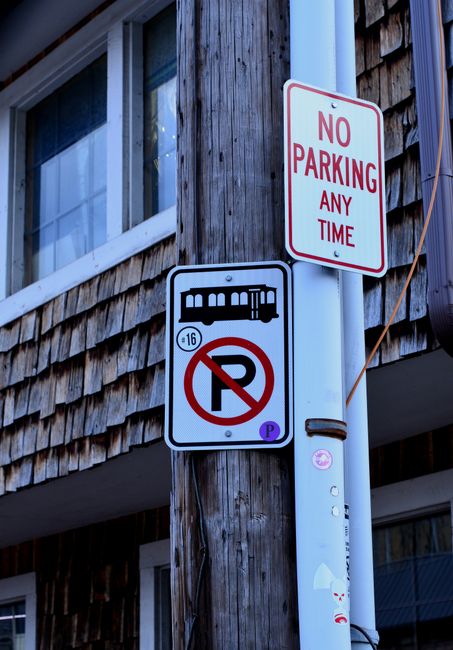
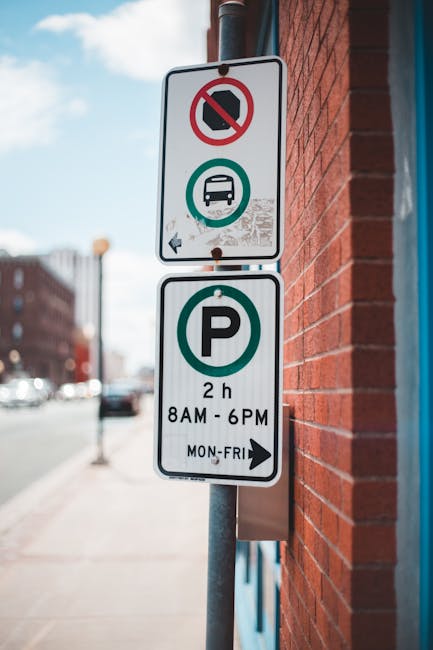
Parking and loading around a station area should always be approached with care. You should follow local road markings, observe any loading restrictions, avoid blocking access, and keep pedestrians safe. If a bay or road sign sets a limit, treat that limit as real, even if the van is only there "for a minute." That minute can still matter.
Best practice in the removals trade is straightforward: park legally where possible, choose the safest access point available, do not block junctions or crossings, and keep the loading area orderly. Where a crew has to work near passing traffic or a busy walkway, they should slow down and protect the moving route rather than trying to be heroic. Heroic is overrated on moving day.
It is also sensible to check your own lease, building rules, or property management guidance if you live in a managed block. Some buildings have loading instructions, concierge procedures, or reserved access times. Ignoring those rules tends to create avoidable delays.
From a safety standpoint, the general standard is simple: if an arrangement creates a hazard, it needs changing. That might mean a second parking attempt, a smaller vehicle, a different time slot, or an extra pair of hands. No one wins by forcing a bad setup.
If you are handling heavier items or specialist loads, the guidance in piano removals Hampton and the hidden costs of DIY piano moving can help you think more carefully about safety and handling before taking risks.
Options, methods, or comparison table
Different moving setups suit different parking conditions. Here is a simple comparison to help you choose what fits the street, the load, and your stress tolerance.
| Option | Best for | Parking flexibility | Main drawback |
|---|---|---|---|
| Low-loader with short roadside stop | Heavy items, shorter carries, straightforward access | Medium to good if space is available | Needs careful placement and traffic awareness |
| Low-loader with trolley carry from nearby space | Tight station streets, limited direct frontage | Flexible, if there is a safe nearby stop | Longer handling distance |
| Smaller van or man and van setup | Smaller moves, student moves, partial loads | Often easier to fit into awkward roads | May require more trips for larger loads |
| Full removal team and larger vehicle plan | Whole-house moves, multi-room loads, fragile furniture | Depends heavily on local access and timing | Needs tighter scheduling and more coordination |
The "best" option is rarely the biggest one. It is the one that matches the road conditions without making the crew fight the environment. If your property is tricky, smaller can actually be smarter.
Case study or real-world example
Picture a typical Saturday morning move near Hampton Station. A tenant is leaving a top-floor flat with a sofa, a bed frame, a few heavy boxes, and a narrow staircase that seems to have been designed in a bad mood. The first instinct is to park as close as possible, but the nearest obvious spot is already occupied. There is also commuter traffic building steadily.
Instead of forcing a poor stop, the crew takes a slightly more distant but safer place to load. The sofa is wrapped properly, the mattress is protected, and the boxes are grouped by room. Because the route is clear and the van is positioned legally, the move stays calm. It is not glamorous, but it works.
The key lesson? A workable parking plan often beats a perfect one that never existed. Once everyone understands the route, the loading order, and the backup option, the whole process stops feeling like a scramble. That matters even more when the weather turns grey and the street gets busier around mid-morning.
For similar scenarios, the tips in what to expect from a same-day move in Hampton and when to book Hampton Hill High Street removals are useful for timing and access planning.
Practical checklist
Use this before the van arrives. It is the kind of list that quietly saves the day.
- Confirm the moving time and estimated arrival window.
- Check whether the vehicle can stop safely near the property.
- Identify any permit, bay, or loading restrictions.
- Measure entrances, stairs, and tight corners.
- Clear the hallway, front path, and lift access if relevant.
- Group heavy items close to the exit.
- Keep valuables and documents separate.
- Protect sofas, beds, and fragile items before loading.
- Tell the driver about any awkward access in advance.
- Have a backup parking option in mind.
- Plan for wet weather, if the forecast looks grim.
- Leave one person free to answer questions on the day.
If you like a broader moving rhythm rather than rushing last minute, experience the joy of a stress-free house move is a good reminder that planning usually beats panic. Every time, basically.
Conclusion
Low-loader and parking rules near Hampton Station are really about three things: access, safety, and timing. Get those right, and the rest of the move becomes much easier. Get them wrong, and even a small job can feel far bigger than it should.
The good news is that most problems are preventable. A little route planning, a realistic view of the street, and a sensible loading setup will take you a long way. If your move involves furniture, fragile pieces, student items, or a full household load, the right preparation pays off immediately. Less walking. Less stress. Fewer surprises. And frankly, that is a nice thing on moving day.
Get a free quote today and see how much you can save.
With the right plan, even a tight station-area move can feel orderly, safe, and far more manageable than you first feared. Breathe out a bit. It does get easier once the van arrives.