TW12 Moving Guide: Narrow streets and parking tips
Posted on 26/05/2026
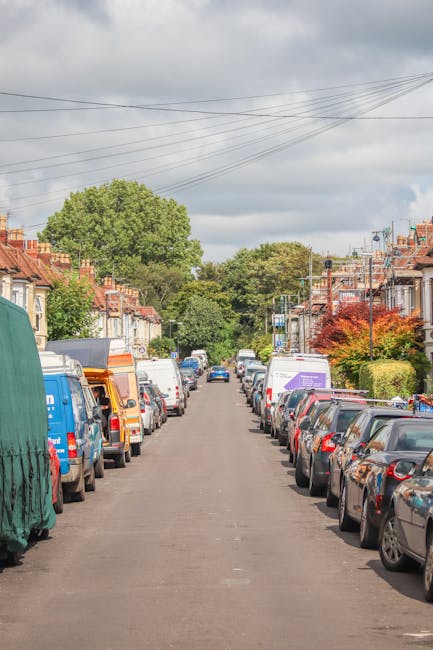
Moving in TW12 can feel straightforward on paper, then suddenly you are staring at a tight residential lane, a row of parked cars, and a front door that seems to have been designed with absolutely no thought for a sofa. That is the reality in many parts of Hampton and the wider TW12 area. This TW12 Moving Guide: Narrow streets and parking tips is here to help you plan around those local quirks before moving day turns into a slow-motion traffic puzzle.
Whether you are moving from a flat, a family house, or a small office, the same problems tend to crop up: limited curb space, awkward turning circles, neighbours' cars already taking the best spots, and the lovely little issue of how far your removal van will have to park from the door. The good news? With the right preparation, these challenges are manageable. A bit of planning goes a long way, and yes, it really can save time, effort, and a few headaches.
In this guide, you will learn how to assess the street, reduce loading delays, work around parking pressure, and avoid the common mistakes that make local moves harder than they need to be. You will also find practical tips on packing, access, safety, and when it makes sense to use a professional man and van service in Hampton or a fuller house removals service.
Why TW12 Moving Guide: Narrow streets and parking tips Matters
Local moving is rarely about distance alone. In TW12, the route from van to front door can matter more than the postcode-to-postcode journey. Narrow streets, one-way sections, tight bends, and busy residential parking can all slow a move down, and once the van is delayed, everything else gets squeezed.
That matters for a few reasons. First, delays cost time. Second, they can increase physical strain because furniture has to be carried farther. Third, they can affect neighbour relations if vehicles block access or stay parked awkwardly for too long. And finally, they can create avoidable risk. A rushed lift through a cramped hallway is where knocks, scrapes, and awkward twists tend to happen.
To be fair, most problems in these streets are not dramatic. They are small, cumulative frustrations. A van parked two doors away instead of outside. A mattress that has to be carried around a parked car. A front step that suddenly feels much steeper than you remembered. The move is still perfectly doable, but the logistics need a little more attention than people expect.
That is why local knowledge matters. If you already know how your property access works, where parking is likely to be available, and which items need special handling, you are far less likely to be caught out on the day. A smart plan also helps if you are comparing removal services in Hampton or deciding whether you need a smaller vehicle such as a removal van rather than a larger truck.
How TW12 Moving Guide: Narrow streets and parking tips Works
The basic idea is simple: treat the move as an access problem, not just a packing job. Once you think that way, the plan becomes much clearer. Start with the property, then the street, then the vehicle, then the items.
In practice, the process usually works like this:
- Survey access early. Look at the street at roughly the time you expect to move. A road that feels empty at 10 a.m. may be much tighter by lunchtime.
- Measure what matters. Door widths, stair turns, hallway corners, and the distance from the van to the front door all matter more than people realise.
- Plan parking realistically. Do not assume the van can sit directly outside. Build a backup plan for a short walk from a side street or nearby safe parking area.
- Match the vehicle to the street. In a tight TW12 road, a smaller van may be easier to place and quicker to load than a larger one.
- Pack for access. Place heavy or awkward items where they can be reached first, and keep essentials separate so you do not need to keep opening every box.
- Protect timing. Add buffer time because parking, traffic, and hand-carry distance all affect the schedule.
That sounds practical because it is. The move itself is only one part of the job; access, parking, and loading order are the bits that decide whether the day feels smooth or a bit chaotically British. If you are doing a full household move, it also helps to read a broader stress-free house move guide alongside this one, because the packing and scheduling decisions feed directly into access planning.
Key Benefits and Practical Advantages
Good parking and narrow-street planning bring more than convenience. They change the whole pace of the move.
- Less carrying distance: The closer the van can get, the easier it is on your back, arms, and patience.
- Faster loading and unloading: Shorter carry times usually mean fewer trips and fewer delays.
- Lower risk of damage: Tight corners and long carries are where furniture gets clipped.
- Better timing control: A realistic parking plan means fewer surprises and fewer people waiting around.
- Improved safety: Clear walkways and a stable loading route reduce trips, slips, and strained lifts.
- Less neighbour friction: Thoughtful parking is simply better manners in dense residential streets.
There is also a quieter benefit: mental calm. When you know where the van will sit, how the items will move, and what happens if the first parking choice is taken, you stop second-guessing every little thing. That kind of confidence matters more than people admit.
If you are moving furniture that needs extra care, planning becomes even more valuable. For bulky pieces, the advice in our furniture removals page can be especially helpful. If you are dealing with a mattress, the guidance in how to transport a bed and mattress without stress is worth a look before move day.
Who This Is For and When It Makes Sense
This guide is for anyone moving within or into the TW12 area where access is not generous. That includes ground-floor flats, terraced homes, maisonettes, small offices, and houses on roads where parking is usually a first-come, first-served affair.
It is especially useful if you are:
- moving from a property on a narrow residential road
- using a van rather than a full-size lorry
- moving on a weekday when parking pressure is higher
- dealing with shared access, flats, or a long walk from the curb
- trying to avoid disturbing neighbours too much
- managing a same-day or tight-turnaround move
Students, first-time renters, and small households often find this advice most helpful because they tend to underestimate access issues. But truth be told, experienced movers get caught out as well. The street looks fine on a quick visit, then move day arrives and a refuse truck, a builder's van, and three family cars have changed the picture completely.
If that sounds familiar, you may want to compare options such as flat removals in Hampton or student removals, depending on the scale of your move. Sometimes a more specialised service is simply the easier route.
Step-by-Step Guidance
Here is a practical way to handle a move in a tight TW12 street without turning it into a guessing game.
1. Check the street at the time of day you will be moving
A road can feel very different at 8 a.m., 1 p.m., and 6 p.m. Look at traffic flow, school runs, delivery patterns, and how many spaces are usually occupied. If you can, make two checks: one in advance and one closer to the move.
2. Identify the best possible van position
Ask yourself: where can a van reasonably stop without blocking driveways, corners, or key access routes? Not where would be ideal, but where would actually work. Sometimes the best option is a legal space a short distance away rather than trying to squeeze directly outside.
3. Clear the path from door to van
Move wheelie bins, bikes, plant pots, and anything else that might snag a trolley or carry team. Keep the route as open as you can. A narrow path feels wider when it is not cluttered, oddly enough.
4. Pack the critical items together
Keep essentials in a separate, clearly marked load so the final minutes are not spent hunting through boxes. A kettle, chargers, cleaning supplies, toiletries, keys, documents, and basic tools deserve their own easy-to-reach place. For more packing structure, see packing tips for a smoother move.
5. Protect fragile and awkward items
If you have mirrors, lamps, large frames, or anything with an odd shape, pack them for quick access and easy handling. Do not bury them under heavy boxes. That sounds obvious until you are on the second trip and wishing you had thought of it sooner.
6. Use the right loading order
Heavy items should usually go in first, followed by bulkier pieces, then lighter boxes and softer items that can fill gaps. This helps balance the load and reduces shifting in transit. For heavier lifting, a steady approach matters. If you need practical handling advice, the guide on safer lifting technique gives a useful way to think about momentum and control.
7. Keep an eye on timing buffers
If parking is uncertain, build in extra time. Even 15 to 20 minutes of buffer can make the difference between a calm start and a stressful scramble. It is a small thing, but it really does help.
8. Have a backup parking plan
Know where the second-best parking spot is. If your first option is taken, you should not have to decide from scratch while a van is idling and everyone is waiting. That little bit of planning keeps the move moving.
Expert Tips for Better Results
These are the small, real-world details that make a local move feel easier.
- Scout for pinch points, not just parking spaces. A street may have room for a vehicle but still be awkward at the end where it narrows or bends.
- Think about weather. Rain makes pavements slippery and slows carrying. A damp stairwell is no joke, and yes, people do forget this every time.
- Use signage only where appropriate. If you intend to reserve access or use cones, make sure it is lawful and properly agreed. Do not improvise in a way that upsets neighbours or breaches local rules.
- Disassemble large furniture if you can. Removing legs, shelves, or bed frames often makes tight access far easier. Our bed and mattress transport guide is a good companion read here.
- Keep the kettle and basic tools near the top. First-night comfort matters more than people expect. A simple box with mugs, tea, phone chargers, a torch, and a screwdriver can save a lot of rummaging.
- Use decluttering to your advantage. Less stuff means fewer trips, less parking pressure, and less time carrying. If you want a practical prep method, the article on decluttering before moving is well worth a look.
One more thing: if your move involves a lot of small pieces of furniture or delicate household items, it may be worth looking at professional help rather than trying to do everything in one go. A careful team, a sensible van size, and the right route planning can make a big difference. Nothing glamorous. Just effective.

Common Mistakes to Avoid
Most moving problems in TW12 are not caused by huge errors. They are caused by a handful of avoidable assumptions.
Assuming the van will fit outside
This is the classic one. A quick street glance is not enough. Parked cars change daily, and a legal, practical stop point may be farther from the door than expected.
Forgetting about turning space
A street can be technically wide enough but still too awkward for a larger vehicle to manoeuvre cleanly. If the van needs several attempts to reverse or turn, that time adds up fast.
Leaving fragile items for the last minute
Anything fragile should be packed and staged early. If it is not ready when the van arrives, it can become rushed. That is when damage happens.
Not measuring doorways and stair corners
Furniture that seems fine in the lounge can suddenly become impossible at the stair bend. Measure first. Guessing is not a strategy, no matter how often people try it.
Ignoring neighbour access
Blocking gates, shared drives, or bins causes tension and slows everyone down. A few minutes of courtesy helps avoid a lot of drama later.
Overloading yourself physically
Long carries from the van to the property may tempt people to grab too much at once. That is how backs get strained and boxes get dropped. It is better to take one more trip than one risky lift.
Tools, Resources and Recommendations
You do not need a van full of specialist kit to move well, but a few basic tools can make narrow-street moves much easier.
| Tool or item | Why it helps | Best use in TW12 |
|---|---|---|
| Furniture blankets | Protects corners and finishes | Useful for long carry distances and tight doorways |
| Trolley or sack truck | Reduces manual carrying | Helpful when the van cannot park directly outside |
| Ratchet straps | Keeps items secure in transit | Good for bumpy routes and frequent stop-start loading |
| Door protectors | Prevents scuffs on frames | Very handy in narrow hallways and shared entrances |
| Labels and colour markers | Makes unloading quicker | Speeds up box placement when access is tight |
It can also help to use support services strategically. For example, if you need temporary space while navigating parking and access on move day, storage in Hampton can take the pressure off. If you are moving equipment, specialist services like piano removals are worth considering rather than risking a difficult lift yourself.
And for practical packing supplies, packing and boxes in Hampton can make the prep stage much easier. Good boxes sound boring until you are three trips in and one collapses under the weight of books. Then they become very interesting.
Law, Compliance, Standards, or Best Practice
Parking and moving in a residential area should always be handled with care and common sense. Local streets may be subject to parking restrictions, access limitations, or neighbour expectations that vary by location. Because those details can change, it is sensible to check local rules before your move rather than rely on assumptions.
In practical terms, that means:
- parking only where it is lawful and safe
- avoiding obstruction of driveways, junctions, and pedestrian routes
- respecting any local restrictions or controlled zones
- keeping loading times as short and tidy as possible
- following reasonable health and safety practice for lifting and carrying
Professional movers should also work within clear safety and insurance expectations. If you are comparing providers, it is worth reviewing insurance and safety information and the company's health and safety policy. That helps you understand how items are handled, what support is offered, and how risk is managed on the day.
If you want to understand service terms, it is sensible to read the terms and conditions and look at pricing and quotes so you know what is included. Not exciting, I know, but very useful.
Options, Methods, or Comparison Table
Different moves need different levels of support. Here is a simple comparison to help you decide what makes sense for a TW12 street with limited parking.
| Approach | Best for | Pros | Trade-offs |
|---|---|---|---|
| DIY van hire | Very small moves with flexible timing | Budget-friendly, full control | You handle parking, loading, and timing yourself |
| Man and van | Flat moves, partial loads, short local relocations | Flexible, often well suited to tight streets | Less capacity than larger removal teams |
| Full house removals | Family homes, bulky furniture, busy schedules | More hands, more structure, less heavy lifting for you | Usually more planning required |
| Same-day removal help | Urgent situations or short notice | Fast response, practical support | Availability can be limited |
If your road is especially narrow, a smaller van is often the more realistic choice. It may take more trips, but it can save time overall if parking is easier and the loading position is closer. For urgent situations, same-day removals in Hampton can be useful when plans change suddenly.
Case Study or Real-World Example
Picture a move from a first-floor flat on a TW12 side street. The road is narrow, both sides are lined with parked cars, and the nearest space outside the building is already taken by mid-morning. A bigger vehicle would struggle to stop without blocking the flow of traffic.
In a situation like that, the better approach is usually to park a little further along where the road is wider, then use trolleys and well-packed boxes to shorten each carry. One person handles the van, one manages the stairs, and the load is staged so the most essential items go in first. There is no heroic sprinting, just calm, sensible movement.
That kind of setup is where a local, experienced mover really earns their keep. They already know that the shortest route on a map is not always the easiest route in practice. Sometimes the best move is the one that takes an extra few minutes but avoids blocking access, stressing the stairwell, or turning the afternoon into a mess.
We have seen this often enough to say the pattern is simple: better access planning leads to fewer delays, fewer damaged items, and a much easier first hour in the new place. Nothing fancy. Just good moving hygiene, really.
Practical Checklist
Use this checklist a day or two before the move, then glance through it again on the morning itself.
- Check street parking conditions at the likely move time
- Confirm the van size is suitable for the road and property access
- Measure doorways, stair turns, and any awkward corners
- Keep bins, bikes, and clutter clear of the loading route
- Pack fragile and essential items separately
- Label boxes clearly by room and priority
- Prepare blankets, straps, and a trolley if needed
- Know your backup parking option
- Review any local parking restrictions or access limits
- Keep keys, documents, and chargers easy to reach
- Allow extra time for loading, walking distance, and delays
- Make sure neighbours are not blocked in
Expert summary: In TW12, the move is usually won or lost at the curb. If you get the parking, access, and loading order right, the rest becomes much easier. If you do not, every box seems heavier and every minute seems longer. A little planning really is the whole game here.
Conclusion
Moving through narrow TW12 streets does not have to be stressful. With realistic parking plans, sensible packing, and a route that fits the property rather than fights it, you can keep the day calm and efficient. The aim is not perfection. It is to make the move feel controlled, safe, and manageable from start to finish.
If you take away just one thing from this guide, let it be this: do the access planning early. The boxes matter, the van matters, but the street decides a lot more than people expect. Once you understand that, the whole move becomes easier to organise, and a lot less likely to catch you off guard.
If you are planning a local move and want extra peace of mind, explore the wider support available through our removals in Hampton and services overview. The right help at the right time can make all the difference, especially when access is tight and the clock is ticking.
Get a free quote today and see how much you can save.